
High yield property gets used a lot in property marketing, but could you tell me what it means? Where to find it? What makes it stand apart from the average performing Australian property?
It's worth wrapping your head around what the terminology actually means, and what's realistic for your situation, before you use it to make a decision. I'll walk you through some fresh 2026 figures, then show you the gross and net numbers from my own rooming house.
This is one part of the strategy. Our rooming house investment guide for Brisbane covers the rest.
Gross yield vs net yield
Rental yield is the annual rent a property earns, expressed as a percentage of its value. Gross yield is the headline figure you'll see advertised: annual rent divided by purchase price. Net yield takes gross yield and deducts the real ongoing costs, such as property management, council rates, insurance, maintenance and a realistic vacancy allowance, to give you a truer picture of what the property actually earns.
As a rule of thumb, net yield typically sits 1 to 1.5 percentage points below the advertised gross figure across the current 2026 market, according to recent yield benchmarking. Always ask for the net number before making a decision.

A real example: gross vs net on my Kallangur rooming house
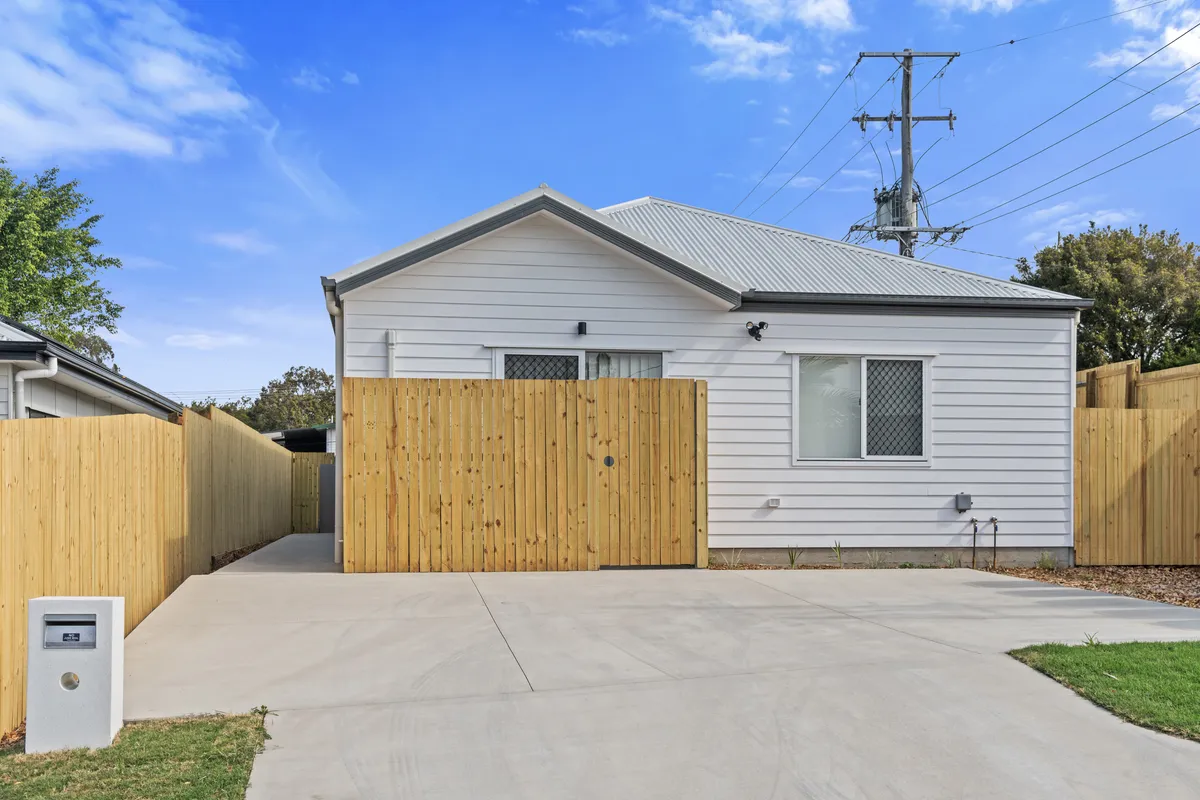
Here is how the two numbers compare on a real project, my own five-bedroom rooming house in Kallangur. These are the figures from the Kallangur case study.
Measure | Figure |
|---|---|
Total project cost | approx. $1,176,000 |
Rental income (2 unfurnished rooms at $450, 2 unfurnished rooms at $465 and 1 furnished room at $490 a week) | $120,640 a year |
Gross yield | approx. 10.3% |
Running costs (management, insurance, rates, land tax, utilities, internet, cleaning, repairs and a vacancy allowance) | $30,559 a year |
Net income before interest | $90,081 a year |
Net yield before interest | approx. 7.7% |
On my rooming house the gap between gross and net is about 2.6 percentage points, wider than the rule of thumb. That's because in a rooming house the owner usually pays the power, water and internet, and someone has to look after the common areas. Those costs belong in the numbers from day one.
Net yield here is also before interest. After interest on the purchase, construction and equity release loans, the property is projected to be cash flow positive by around $8,592 a year. Interest depends on how much you borrow and at what rate, which is why we run a full feasibility on every site.
What's a good rental yield right now?
Here's where it gets interesting, at least in my opinion! Australia's national gross rental yield across all dwellings sat at roughly 3.57% to 3.59% in April 2026, according to Cotality, and that's actually a recovery, up from a cyclical low of around 3.54% to 3.55% in December 2025 and January 2026. Some yield trackers using a different method (comparing advertised rents to list prices rather than the full Home Value Index) report a higher national figure closer to 4.5% to 4.7%. Both are correct in their own right, though they are measuring slightly different things.
As a general guide for 2026:
above 4% gross is considered solid for a capital city
above 5% gross is considered strong
above 6% gross is considered excellent, but often comes with higher risk, a regional location or a specialised property type
With the RBA cash rate sitting at 4.60% and typical variable mortgage rates running around 7% as of October 2026, a capital city gross yield of 3% to 4%, and a net yield lower again, sits below the actual cost of the loan for most investors. That gap is a big part of why so many capital city investors run negatively geared, banking on capital growth to make up the shortfall rather than the rent itself.
Typical yields by property type
Property type | Typical gross yield | Notes |
|---|---|---|
Standard house (Sydney and Melbourne) | about 2.6% to 3.1% | Priced for growth, not cash flow |
Standard house (Brisbane) | about 3% to 4% | Stronger than the southern capitals |
Standard house (Darwin) | about 5.8% to 6.0% | Highest of any capital city |
Units and apartments (national) | about 4.3% | Roughly 1 to 1.5 points above houses |
Commercial, industrial (Brisbane) | about 5.2% | Often a net or semi-net lease |
Commercial, office (Brisbane) | about 6.8% | Higher vacancy risk when a tenant leaves |
Commercial, retail (Brisbane) | about 7.9% | Leads all capital cities |
Dual occupancy and dual key | about 4.5% to 5.5% | Two incomes, one land tax and rates bill |
Rooming house (gross) | generally 8% and above | The headline figure in marketing material |
Rooming house (realistic net) | about 5.5% to 7.5% | After management fees, insurance, utilities and vacancy |
Why property type affects rental yield
Higher yield doesn't automatically mean a better investment. Yield and capital growth typically sit in tension with each other: high yield asset types and locations often deliver more modest long-term growth, while strong growth markets and conventional dwelling types tend to yield less. A standard house in a well-established suburb usually has a broader resale market and a stronger long-term growth history. A rooming house, dual key or commercial asset usually appeals to a narrower buyer pool but delivers materially stronger cash flow along the way.
Neither approach is right or wrong. It just depends on whether your priority is cash flow now, growth later or a blend of both. Our guide to building a portfolio that pays for itself covers how the two fit together, and our guide to what a rooming house costs in Brisbane breaks down the costs that sit between gross and net.
Frequently asked questions
What is the difference between gross and net rental yield? Gross yield is annual rent divided by the purchase price or total project cost. Net yield deducts the ongoing costs first, such as management, rates, insurance, maintenance and vacancy, so it shows what the property actually earns.
What is a good rental yield in Australia in 2026? As a general guide, above 4% gross is considered solid for a capital city, above 5% is strong and above 6% is excellent, though higher yields often come with higher risk, a regional location or a specialised property type.
What yield does a rooming house return? A rooming house generally returns 8% and above gross yield. A realistic net yield is about 5.5% to 7.5%, after management fees, insurance, utilities and vacancy.
Our View
To make the most informed investment decision here, understanding the meaning of high yield and what's realistic for each asset type is only step one. Every figure in this guide is a snapshot of a market that moves quarter to quarter and year on year.
As your Brisbane buyers agent and on-the-ground eagle eyes, Yield Street Property Buyers helps investors work out which asset type and yield profile best suits their goals, then find and structure the right opportunity to match. Start with our 2026 Brisbane investor guide, or see how we work as your rooming house buyers agent in Brisbane.
Get in touch with Yield Street Property Buyers today to talk through which high yield strategy is right for you.
This article is general information only and does not constitute financial or investment advice. Yield figures referenced are indicative averages current at the time of writing and will vary by location, property and market conditions. Always seek independent professional advice before making an investment decision.